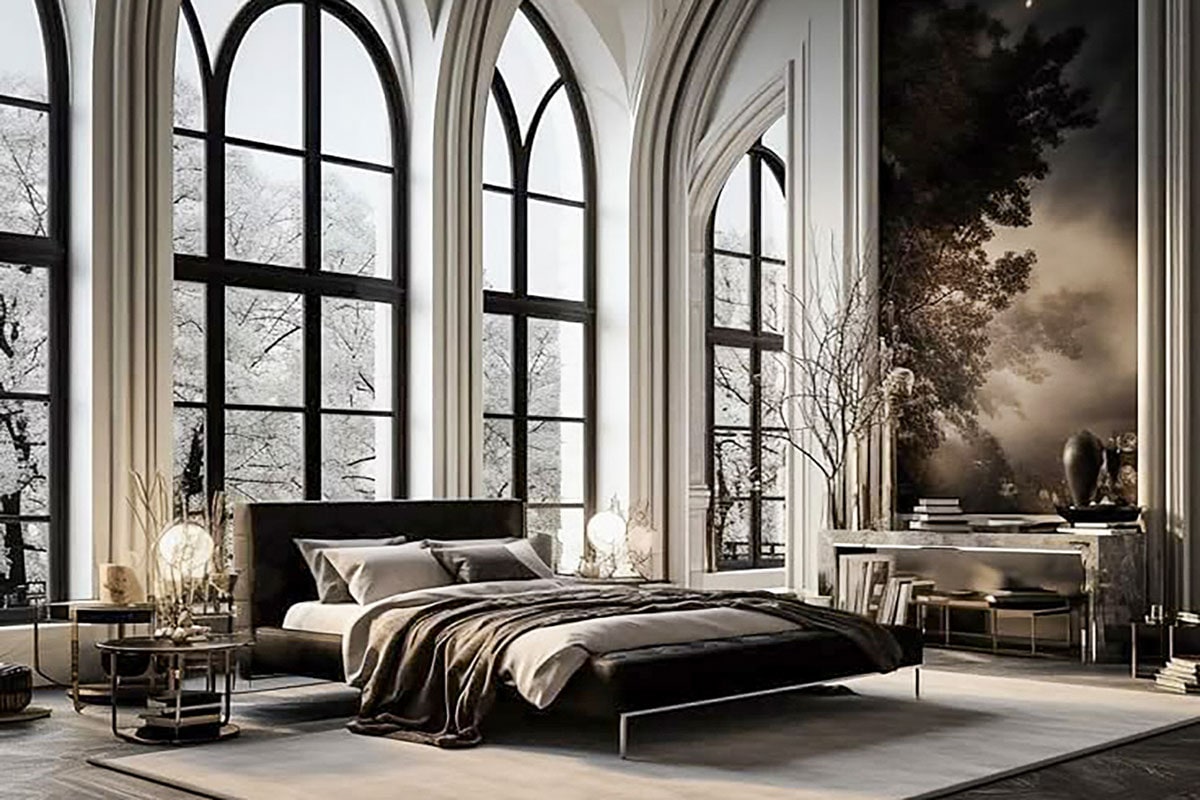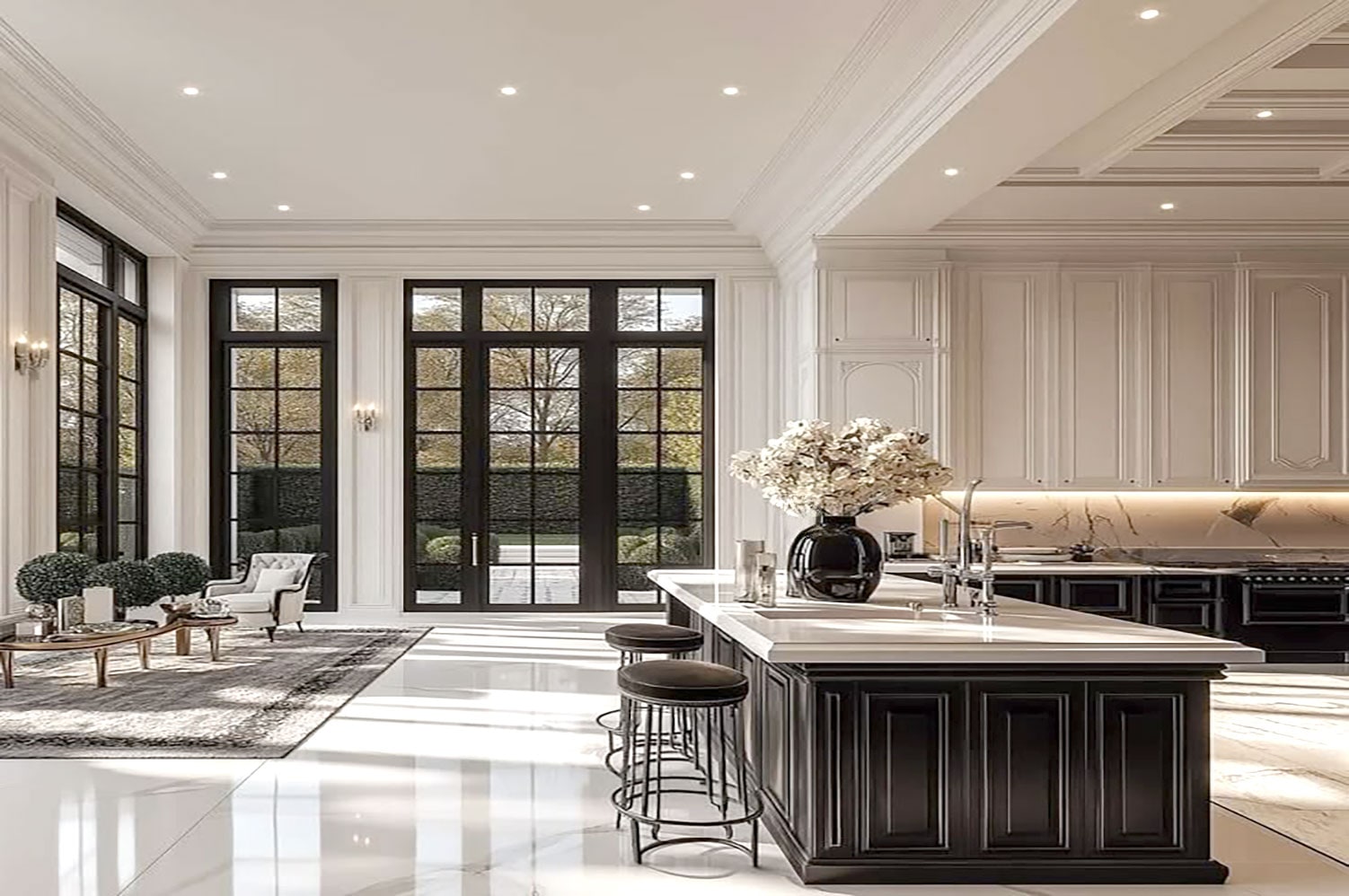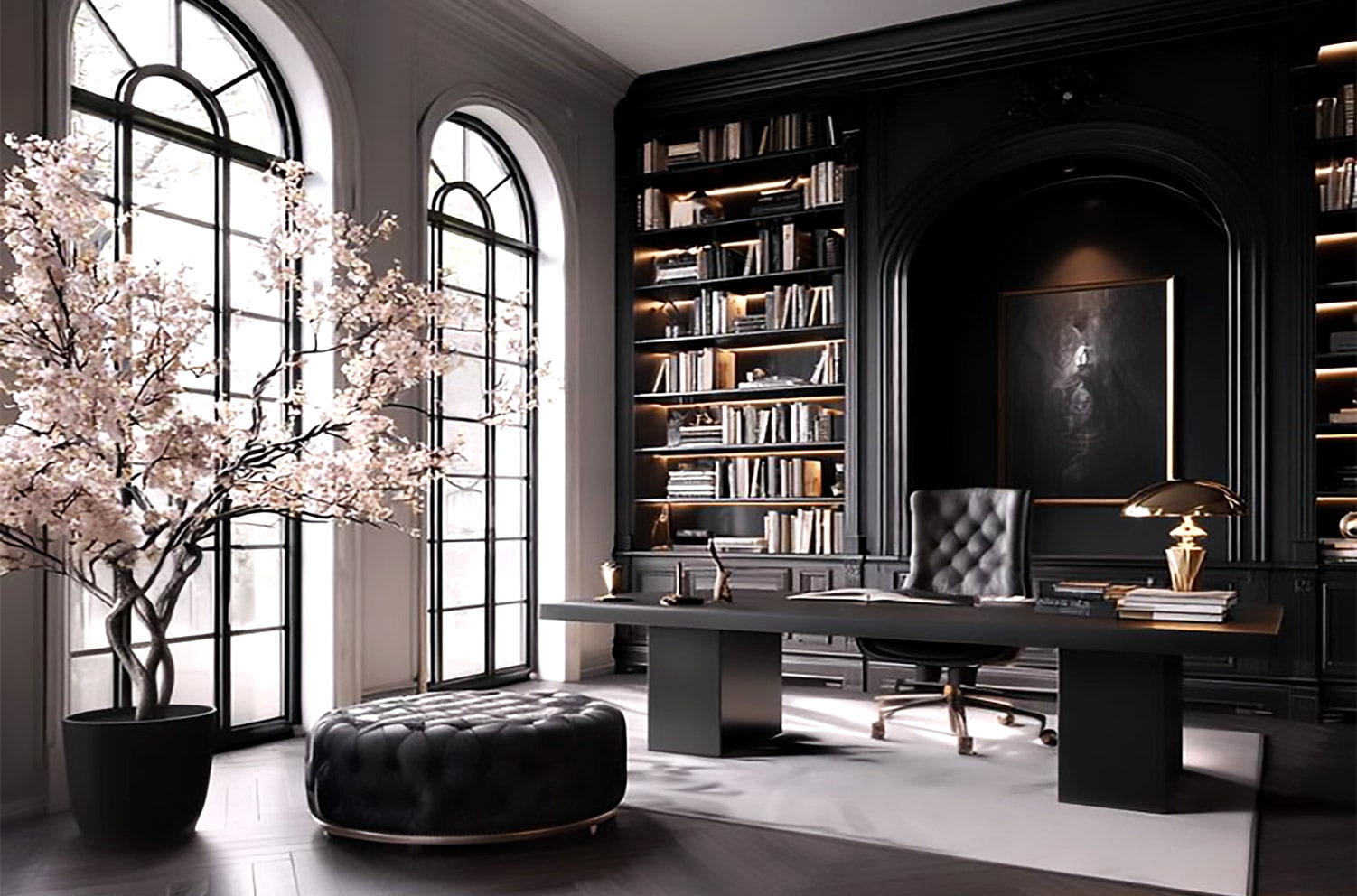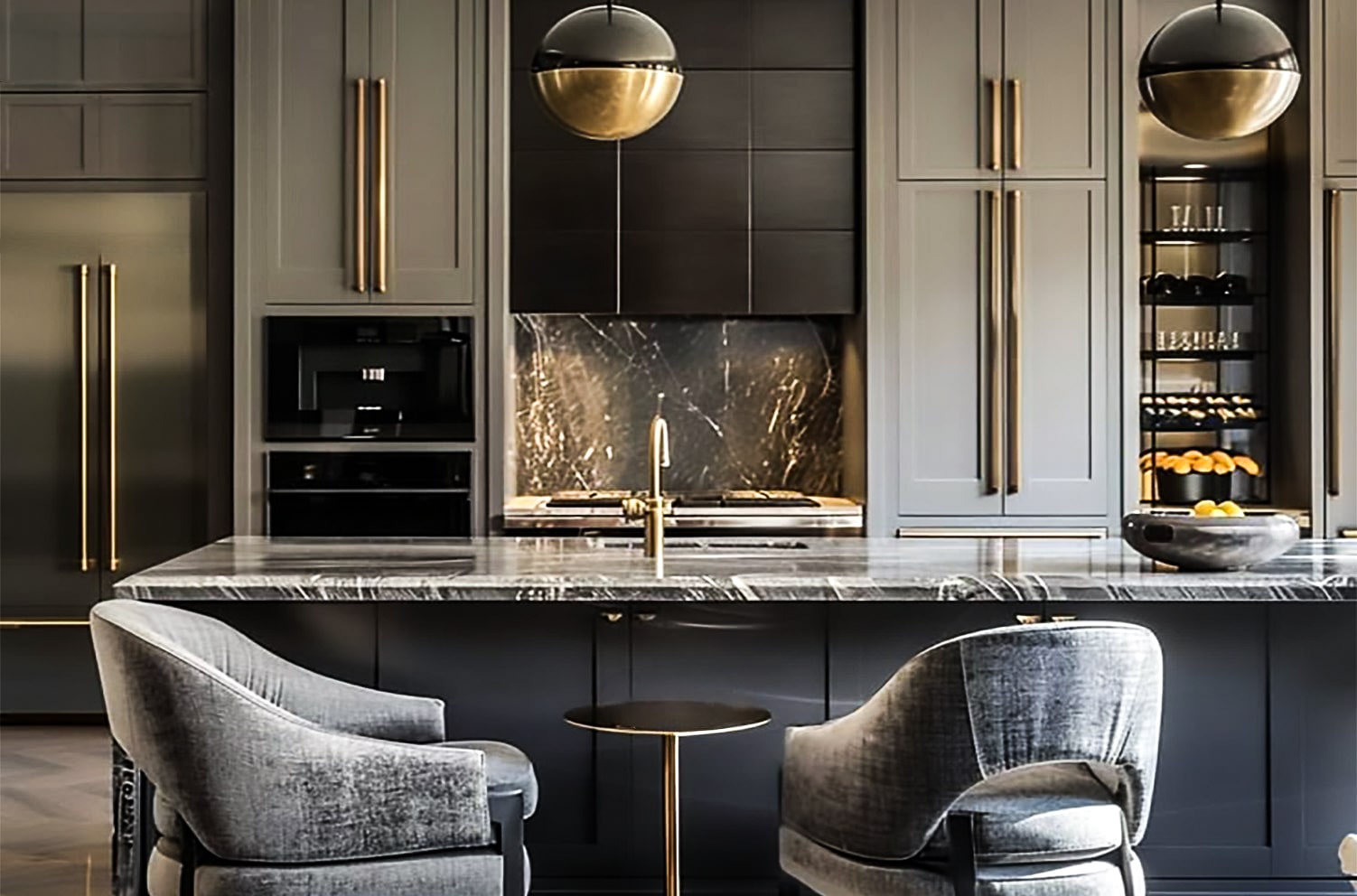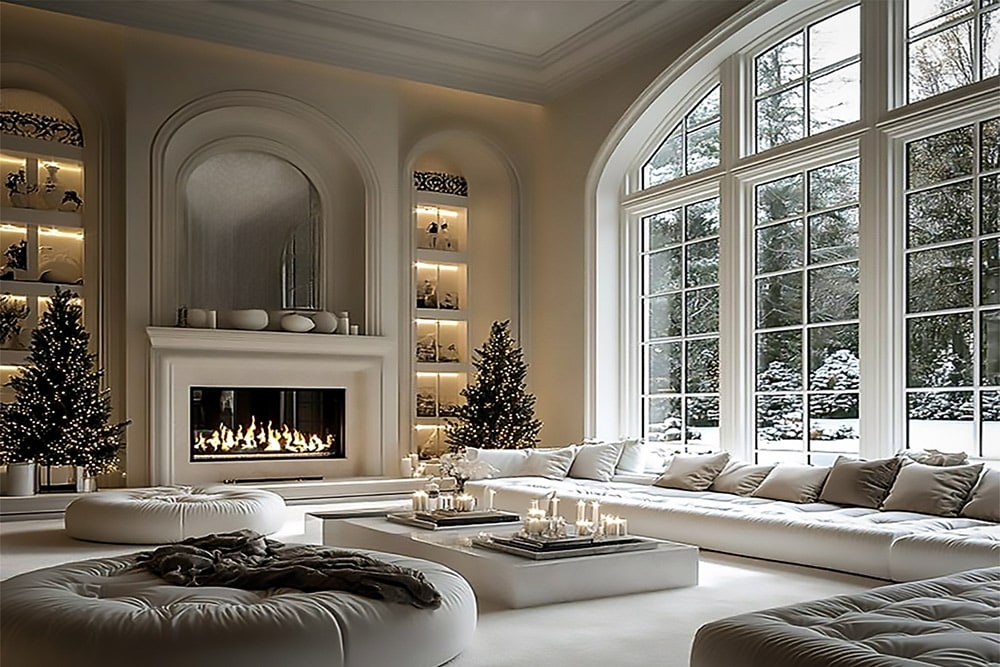
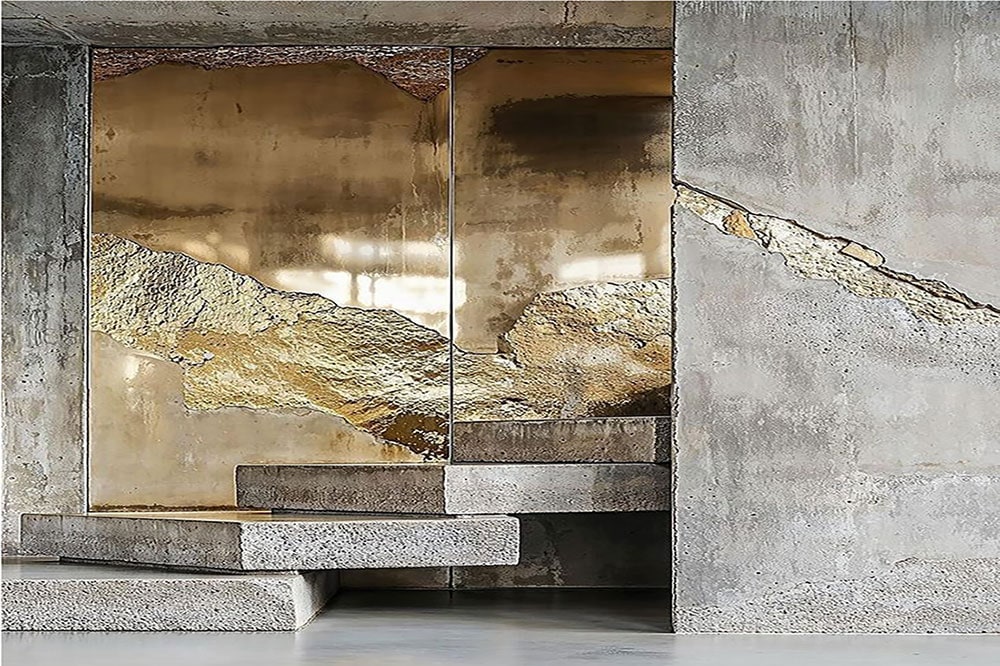
The sooner you bring a designer on board, the smarter your build becomes.
When people think of interior design, they often picture paint colours, cushions, and furniture choices the final layer that goes on once the structure is complete. But in reality, the most successful homes start with interior design from the very beginning.
As an architect and interior designer, I’ve worked with countless homeowners who come to us too late after key decisions have been made and construction has already begun. While we can always bring beauty and harmony to a space, many of the most impactful design opportunities exist at the start of your project, not at the end.
Here’s why interior design should never be an afterthought.
1. Interior Design Is About More Than Styling
Interior design isn’t just about choosing colours and finishes it’s about how you live in the space. It shapes the flow, the function, and the feel of every room. Good design considers where your power points go, how the natural light hits your kitchen bench in the morning, and whether that extra living room wall really adds value or just gets in the way. It is also the stage to align joinery with window heights and to plan electrical outlets where they will actually be needed.
When interior design starts early, these choices can be built into your plans. When it starts late, they become compromises.
2. Early Design Prevents Costly Changes
One of the most common (and expensive) mistakes in building is changing your mind once construction is underway. A familiar regret is wishing a designer had been involved sooner, once layouts or cabinetry are already locked in. If your interior designer isn’t involved from the start, you might realise too late that the layout doesn’t suit your lifestyle, or the cabinetry you love needs different wall dimensions.
Designing from the beginning means fewer surprises, fewer costly variations, and fewer regrets.
3. Your Builder Needs a Clear Vision
Builders work best when they have clear, detailed plans. When you engage a designer early, architects, builders and other consultants can work from the same drawings, finishes and specifications, which avoids delays and miscommunication on site.
This collaboration creates smoother builds, stronger relationships between your team, and a result that’s true to your original vision.
4. Lighting, Joinery & Layout All Rely on Early Planning
Some of the most impactful design elements custom joinery, built-in lighting, concealed storage, clever zoning requires technical planning well before the fit-out stage. By involving a designer early, you open the door to smarter design ideas that are built into the structure, not added on top.
Think:
Recessed lighting that’s integrated into the ceiling
Kitchen layouts that are practical and visually balanced
Walk-in wardrobes and storage that feel effortless
These aren’t decisions to rush at the end they deserve time, creativity, and coordination.
5. You’ll End Up with a More Cohesive, Polished Home
When the interior designer is part of your team from day one, the end result simply feels more resolved. The materials speak to the architecture. The colours work in harmony. The layout suits your life. There’s a consistent thread tying every space together not just visually, but emotionally too.
This kind of cohesion can’t be replicated if design is tacked on at the end.
Final Thoughts
Interior design is not decoration it’s strategy, planning, and vision. It’s how your home feels as much as how it looks. Early design also shapes how a home feels day to day, not only how it looks. And it is most powerful when it is part of the conversation from the very beginning.
Together, we can bring your home to life with clarity, creativity, and confidence step by step.
Bringing new build interior design in at the start, then supporting it with project supervision, is how interiors stay aligned with the architecture.